Commercial Waste Removal in Sanderstead

Commercial waste removal in Sanderstead needs a service that is practical, organised and suited to the waste a business actually produces. We collect routine workplace rubbish, mixed commercial waste and heavier clear-outs for premises that need a straightforward disposal plan rather than a one-size-fits-all approach. That can suit shops, offices, workshops, hospitality settings and managed buildings where waste builds up quickly and space needs to be kept usable.
Our approach is built around clear sorting, responsible loading and tidy removal of agreed materials. We can handle collections where waste is already bagged and ready, as well as jobs that need a little more sorting before items are moved. If you are comparing options, our business waste removal page explains the core service more fully, while this homepage sets out the main ways a commercial customer may use it in Sanderstead.
Use the service when you need a dependable way to move accumulated items out of the workplace and into the correct disposal route. Book a quotation when you are ready, or keep reading to see the types of work we can cover.
Routine workplace waste and mixed collections
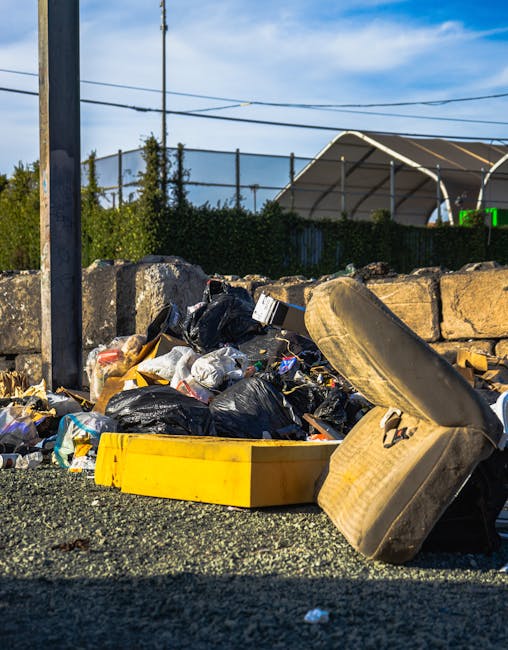
Many commercial collections involve a mixture of everyday waste and occasional bulky items. Office clear-outs may include paperwork, packaging, obsolete equipment, small furnishings and general rubbish gathered from storage rooms or work areas. Retail and customer-facing premises may produce cardboard, broken display pieces, shelving offcuts and other non-hazardous waste that should be removed without disrupting trading more than necessary. We aim to keep the process simple and well-ordered.
Where waste streams are mixed, the practical task is not just lifting items away. It also means separating what can be processed for recycling, what needs a different disposal route and what should never be mixed in with standard rubbish. If your business has confidential paper, you can look at our confidential shredding page for a related service that sits alongside commercial waste work when document disposal matters. Choosing the right route helps keep the clear-out efficient and the waste handled properly.
Typical items on a mixed commercial job can include:
- bagged office rubbish and packaging
- cardboard, cartons and delivery waste
- broken or unwanted small furnishings
- light fixtures or shop-fit out leftovers where appropriate
- general non-hazardous clutter from storerooms and back-of-house spaces
Office and workplace clearances

When a workplace is being reorganised, emptied or refreshed, the waste often comes from several areas at once. Desks, chairs, filing cabinets, monitors, printers and boxed items can all build up around an office move or a phased refurbishment. Our office clearance work is designed for this kind of setting, where the aim is to remove items carefully and leave the space ready for its next stage rather than simply taking away loose rubbish.
Commercial customers often want a process that respects access, building rules and shared corridors. That can mean working with lifts, loading areas, estate procedures or timed access rather than trying to force a simple domestic-style collection into a business environment. If office items are no longer needed because the layout is changing, our office clearance page is a useful related destination. Please keep access clear and note any items that need special handling before you request your quotation.
For planned workplace clearances, it helps to separate the job into categories before collection day: furniture, IT-related items, paper waste and general refuse. That does not need to be a complicated inventory, but a little preparation can reduce delays and make the collection more accurate. Tell us what remains fixed in place, what can be dismantled and what needs to stay with the property, and the work can be arranged more cleanly.
Retail, trade and back-of-house waste
Retail units, salons, light industrial units and other customer-facing premises often need removal of non-domestic waste that does not fit a standard bin schedule. Waste can include packaging from deliveries, broken display materials, shelf fittings, damaged stock containers and housekeeping waste from storage or preparation areas. A sensible removal plan keeps public areas clearer and reduces the risk of staff having to move rubbish through customer spaces.
Trade-related premises may also generate material from minor refits, stock changes or layout updates. These jobs are usually best handled with a precise description of the waste rather than broad assumptions, because the disposal route can vary depending on the mix of material. Where furniture or fixtures are involved, our furniture disposal page gives a closer look at that type of item removal. The useful principle is simple: send only what genuinely needs disposal, and keep reusable goods separate where possible.
Businesses often find it useful to think in practical steps: what must leave now, what can be stacked safely for collection, and what requires a different disposal solution. That keeps the service focused and avoids unnecessary handling. Clear categorisation also helps if you have a regular waste pattern, because future collections can be organised in a consistent way.
About Sanderstead

Sanderstead is a suburban area in the London Borough of Croydon, set on the edge of the London–Surrey boundary and shaped by a mixture of residential streets, local amenities and green open space. The name is usually associated with a village-like centre rather than a single compact district, and the area includes historic buildings alongside later suburban development. St Mary's Church is one of the most notable landmarks, with origins that reach back many centuries and a churchyard that gives a strong sense of continuity with the older settlement. The surrounding lanes and housing reflect different phases of growth, from older village patterns to twentieth-century suburban expansion. Nearby open spaces such as Sanderstead Plantation and Croham Hurst add woodland character and walking routes, while views toward the North Downs help place the area within the wider landscape south of London. Local roads connect Sanderstead to neighbouring parts of Croydon, Purley and Warlingham, and the area has long been influenced by both its elevated position and its association with the edge of the urban fringe. Everyday life here tends to feel more spread out than in a dense town centre, with local shops, schools, community facilities and rail links all contributing to its identity. That blend of heritage, greenery and suburban use gives Sanderstead a distinct character within Croydon’s southern side.
Furniture, fixtures and bulky item disposal
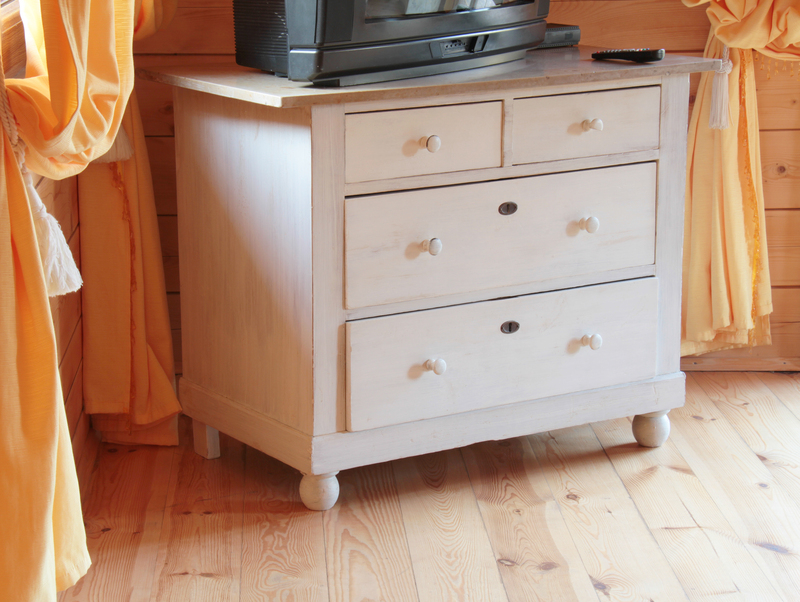
Commercial premises regularly need help with bulky items that are awkward to move and unsuitable for ordinary waste containers. Desks, waiting-room seating, storage units, counters, shelving, reception furniture and other heavy pieces can take up space long after they are useful. We handle this kind of removal as part of a commercial waste service, with attention to access, safe lifting and the route out of the building.
Some bulky items are tied to a broader clearance, while others are the focus of the job itself. If a business is replacing office furniture or removing reception pieces, it is often efficient to bundle these items together with other non-hazardous waste so the space can be reset in one visit. Our furniture clearance page is relevant when items form the main part of the load, and the related mattress and sofa disposal page can help if upholstered items are part of the waste stream. The key point is that bulky disposal should be planned, not improvised.
For many customers, the practical questions are whether items can be broken down, whether they are still fixed to the building and whether any components need separating before collection. We can work from that information to shape the removal, rather than assuming every bulky item is the same. Share the main item types and the collection can be matched more accurately to the job.
Commercial clear-outs for storage areas, garages and ancillary spaces
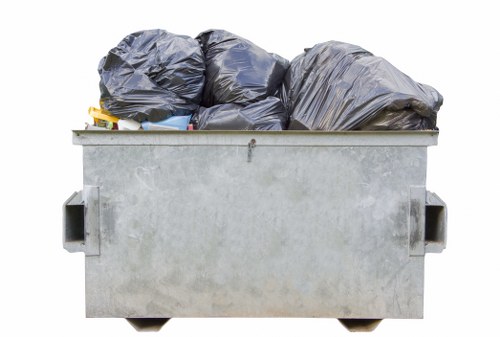
Businesses do not only generate waste in front-of-house areas. Storage cupboards, outbuildings, basements, plant rooms and service areas often fill with old equipment, redundant stock, packaging, broken fittings and forgotten clutter. Our clearance work for these spaces is useful when the aim is to recover usable room and remove accumulated waste in one organised process rather than dealing with it piecemeal.
Where ancillary spaces contain a mix of business and general items, the first task is usually to decide what counts as waste and what should remain on site. That is especially helpful in garages or back stores where there may be a combination of kept equipment, scrap material and items ready to go. If the area is particularly cluttered, our garage clearance page is a practical reference for this type of work, and the broader home clearance page shows how mixed loads are approached in non-commercial settings.
These jobs benefit from a steady method: identify access, identify the load and then move through the space safely. It is usually better to clear the most obstructive items first so paths and working room improve as the job progresses. Well-planned clearance keeps the process efficient and reduces the chance of waste being left in awkward corners or behind fixed items.
How we plan a commercial collection
Commercial waste removal works best when the collection is arranged around the type of material and the layout of the premises. A clear description of the waste, how it is stored and any loading restrictions helps the collection match the site rather than creating avoidable disruption. If there are access codes, loading times or building rules, it is sensible to mention them early so the work can be planned around the property.
Two things usually make the biggest difference to accuracy: the waste list and the access route. If waste is spread across several rooms, a quick summary of each area is useful. If it is all in one place, that should be said as well. You do not need a long document, but a concise note helps us understand whether the job is mainly waste bags, bulky furniture, mixed clear-out material or a combination of these. Photos can be helpful, but a written description of the main items is equally important.
For collections involving more specialised waste, it is essential to say so in advance rather than assuming a standard removal will be suitable. That includes anything that may need a separate handling route or a different approach to transport and disposal. If you are ready to move forward, request a quotation once you have checked the main item types and access details.
Waste types, handling and disposal considerations
Not every commercial load is treated in the same way. Mixed rubbish, recyclable cardboard, furniture, office equipment and certain specialist items can all require different handling decisions. That is why a commercial collection works best when the team understands what is on site before arrival. The goal is not simply to remove visible clutter, but to make sure the load is managed sensibly from collection through to disposal.
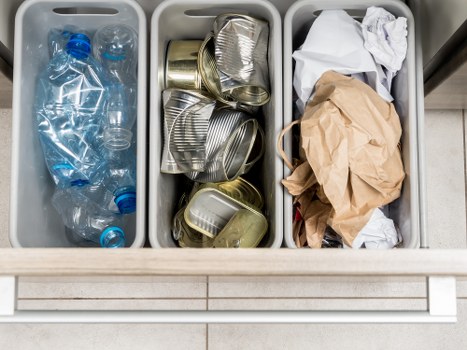
Where recycling is possible, separating the material at source can make the process more efficient. Where separation is not practical, the load still needs to be assessed so it can be directed appropriately. Our recycling and sustainability page explains the general approach we take to disposal choices, and the what can go in a skip page is useful for understanding how waste type affects loading decisions. It is always better to be clear about what is included than to assume everything is automatically interchangeable.
Businesses sometimes ask whether a clear-out can be handled as a single load even when the items differ. The answer depends on the waste type, access conditions and any special handling needs. That is why the quotation stage matters. It helps identify what can move together, what should be left out and whether any extra care is needed for the job. Accurate information supports a cleaner result and fewer surprises on the day.
Costs, quotation details and booking
Commercial waste removal pricing is usually shaped by the amount of waste, the item type, access conditions and any sorting required before loading. A straightforward job with bagged rubbish is different from a larger clear-out with bulky items, multiple rooms or restricted access. Rather than making assumptions, it is better to describe the load and allow the quotation to reflect the real work involved.
When you enquire, it helps to mention whether the waste is ready at ground level, whether there are stairs or lifts involved, and whether the items are loose, bagged or still assembled. Those details allow the service to be matched to the site more accurately. Our pricing and quotes page covers the quotation process in more detail, and the contact us page is the final place to go when you are ready to arrange a collection. Please send a brief description of the items and any access notes with your request.
If you want a commercial clearance in Sanderstead arranged without unnecessary delay, the next step is simple: gather the main item list, check access and ask for a quotation. We will then help shape the collection around the waste you need removed, so the process stays practical from start to finish.