Commercial Waste Removal Sanderstead — Insurance and Safety
 When selecting an insured rubbish company for Commercial Waste Removal Sanderstead, safety and insurance are not optional extras — they are essential. This page details the robust insurance cover, staff training standards, personal protective equipment (PPE) protocols, and structured risk assessment process we expect of every insured rubbish removal contractor working in the Sanderstead area. These measures protect your business, the public, and the environment.
Every engaged insured waste removal company must demonstrate clear public liability cover, a track record of competent operations, and a proactive approach to on-site safety. We emphasise that insurance alone is not a substitute for good practice: comprehensive training, routine equipment checks and documented safety systems combine with insurance to deliver reliable commercial waste removal in Sanderstead.
 Choosing an insured rubbish removal company means you benefit from third-party protection if incidents occur during collections, transfers, or disposal. Public liability insurance for commercial waste removal typically covers property damage, bodily injury and legal costs arising from accidents linked to refuse removal activities. Organisations should ask for certificates of insurance and confirm that cover limits are appropriate for commercial-scale operations.
Public Liability Insurance and Coverage Expectations
Public liability is the foundation of a trustworthy insured waste removal company. Typical expectations include: up-to-date policy documents, coverage that reflects the size and nature of the contract, and explicit mention of waste transport, skip hire, and manual handling activities. A robust insurer will also consider environmental liabilities where hazardous or special waste is involved. For Commercial Waste Removal Sanderstead, verify the insurer recognises waste industry exposures and that the policy limits match your risk profile.
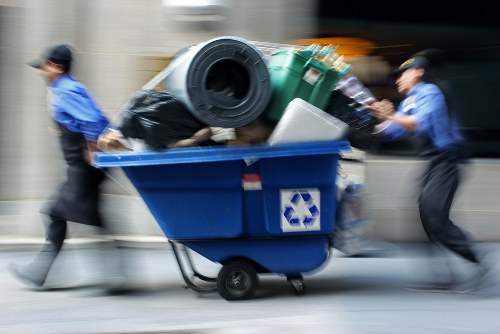 In addition to public liability, many commercial waste providers maintain Employers' Liability insurance and Motor Fleet cover to ensure staff and vehicle incidents are separately protected. Employers' Liability is essential whenever staff are employed for collections, sorting, or plant operation. Motor Fleet insurance must also reflect commercial usage, including loading and unloading risks at customer sites.
When reviewing insurance, look for clauses that address subcontractors. An insured rubbish removal company should either ensure its subcontractors are equally covered or provide contractual indemnity that transfers risk appropriately.
Staff Training, Competency and Safety Culture
Competent staff are as critical as cover. An insured commercial waste removal operator should run regular induction and refresher training for waste handlers, drivers and supervisors. Training topics commonly include manual handling, safe loading practices, spill response, hazardous waste awareness, and safe use of lifting equipment. Certification and training records must be maintained and made available as evidence of ongoing competency.
 Practical site supervision and a visible safety culture reduce incident frequency. Supervisors should perform daily briefings, tool-box talks and pre-task risk checks. A commitment to continuous improvement — demonstrated through incident investigation, near-miss reporting and learning sessions — is a hallmark of a responsible insured waste contractor in Sanderstead.
 PPE is mandatory for commercial waste operations. Typical items include high-visibility clothing, cut-resistant gloves, safety boots with steel toe caps, hard hats where overhead risks exist, eye protection and respiratory protection where dust or fumes are present. Use the following checklist as a baseline for PPE provision:
- High-visibility jackets and trousers for roadside collections
- Cut and puncture-resistant gloves for manual sorting
- Steel-toe safety boots with slip-resistant soles
- Safety goggles and hearing protection as required
- Respiratory masks for dusty or odorous loads
Risk assessment is the structured backbone that ensures PPE and training are focused on actual hazards. A comprehensive risk assessment process for Commercial Waste Removal Sanderstead should begin with a site survey, identification of specific hazards (traffic, manual handling, hazardous waste, confined spaces), and an evaluation of likelihood and consequence. Controls must then be implemented, recorded and reviewed.
Typical control measures include segregating pedestrian and vehicle routes, using mechanical aids to reduce manual lift demands, deploying appropriate containment for spill-prone loads, and using signage to warn third parties. Importantly, contingency measures for spills, fires or hazardous finds must be documented and rehearsed.
Risk assessments should be proportionate and dynamic: reviewed whenever operational changes occur, following an incident, or if regulatory guidance changes. Documented assessments also demonstrate due diligence to insurers and regulators when verifying the suitability of an insured rubbish removal company.
Operational monitoring and audit are essential follow-ups. Regular safety audits, random spot checks and planned maintenance schedules for vehicles and plant help to identify weaknesses before they become incidents. An insured waste removal company should publish or share its audit schedule and remedial action plans with commercial clients when requested.
Record keeping is equally important: training logs, maintenance records, accident and near-miss logs, and copies of insurance documents all form part of a compliance portfolio. These records protect both the client and the contractor and are often required to demonstrate that an insured rubbish contractor is acting responsibly.
In summary, selecting a properly insured and safety-focused provider for Commercial Waste Removal Sanderstead means confirming adequate public liability, employer and vehicle insurance; verifying staff training and PPE standards; and ensuring a thorough, dynamic risk assessment process. When these elements are combined, businesses receive not only financial protection but also the practical assurance of safe, compliant waste removal services.